The rapid growth of the digital economy has posed new challenges and opportunities for sales tax compliance across the United States. As businesses increasingly operate online and leverage technology to expand their reach, states are adapting to ensure adequate tax collection.
In recent days, states such as Texas and California have unveiled new proposals aimed at tightening their sales tax regulations to address loopholes that allow digital goods or services to escape taxation. These measures include clearer definitions of taxable digital content and streamlined procedures for remote sellers, ensuring that the taxation system keeps pace with technological advancements and evolving business models.
Online retail heavyweights such as Amazon and eBay have historically faced challenges in terms of collecting and remitting sales tax, leading to complex legal battles. However, the Supreme Court's Wayfair decision, which overturned the previous requirement of a physical presence for tax collection, has set a precedent that enables states to enforce tax collection from online retailers more effectively. This pivotal decision has empowered state governments to reform their tax frameworks and expand their taxable bases significantly.
Compliance with these evolving regulations requires companies to invest in modern technological solutions. Many businesses are now employing sophisticated tax software that helps track sales transactions, identify taxable goods, and manage tax remittance efficiently. These software tools are integral to ensuring compliance with state-specific sales tax obligations while minimizing the risks of audits or penalties due to inaccuracies or omissions.
The evolving sales tax landscape requires businesses to adopt proactive strategies to remain compliant. Regularly monitoring changes in state tax policies and employing capable digital solutions are essential. Business leaders must embrace a culture of continuous learning and adaptation to navigate this complex environment successfully.
In my previous experience working with top-tier accounting firms, I have witnessed the transformative power of technology-driven compliance solutions firsthand. For instance, a major e-commerce client leveraged AI-powered tax software to streamline its tax remittance process, significantly improving efficiency and reducing the risk of non-compliance. As the digital economy continues to expand, such success stories underline the necessity of adopting innovative solutions to tackle modern sales tax challenges.
Understanding the current regulations, staying up-to-date with changes, and deploying efficient compliance strategies are critical for thriving in today's dynamic business landscape.
Navigating the Evolving Landscape of Sales Tax Compliance in the Digital Economy Featured
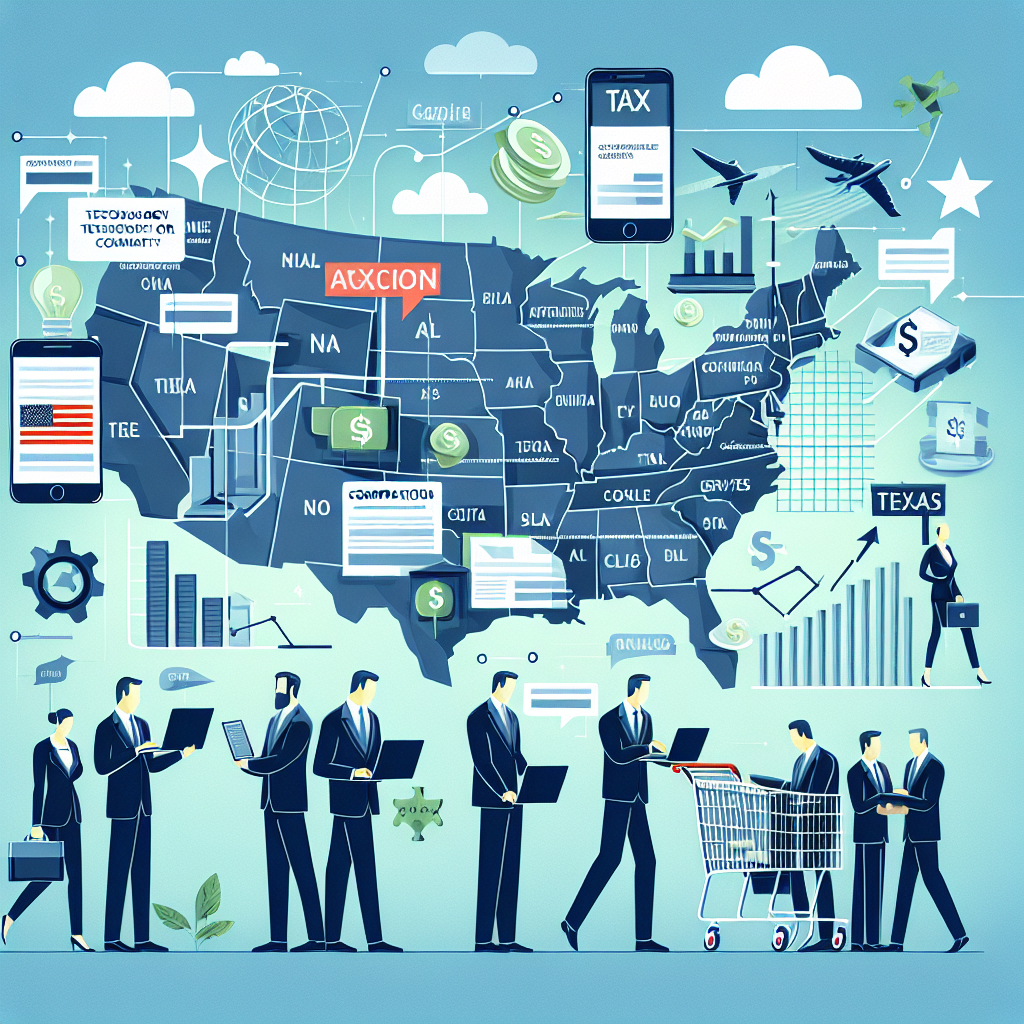 Exploring state initiatives in regulating sales tax compliance amidst the growth of the digital economy, with insights into technological solutions for businesses.
Latest from The Progressive Accountant
- Navigating Through the Complexity: An Overview of Recent Sales Tax Compliance Changes
- Accounting News: Impact of the Latest IFRS Amendments on U.S. Firms
- Navigating the Complexities of Sales Tax Compliance in the Digital Age
- The Rise of AI-Powered Accounting Software: Transforming Financial Management
- The Role of Cloud Technology in Modern Accounting