

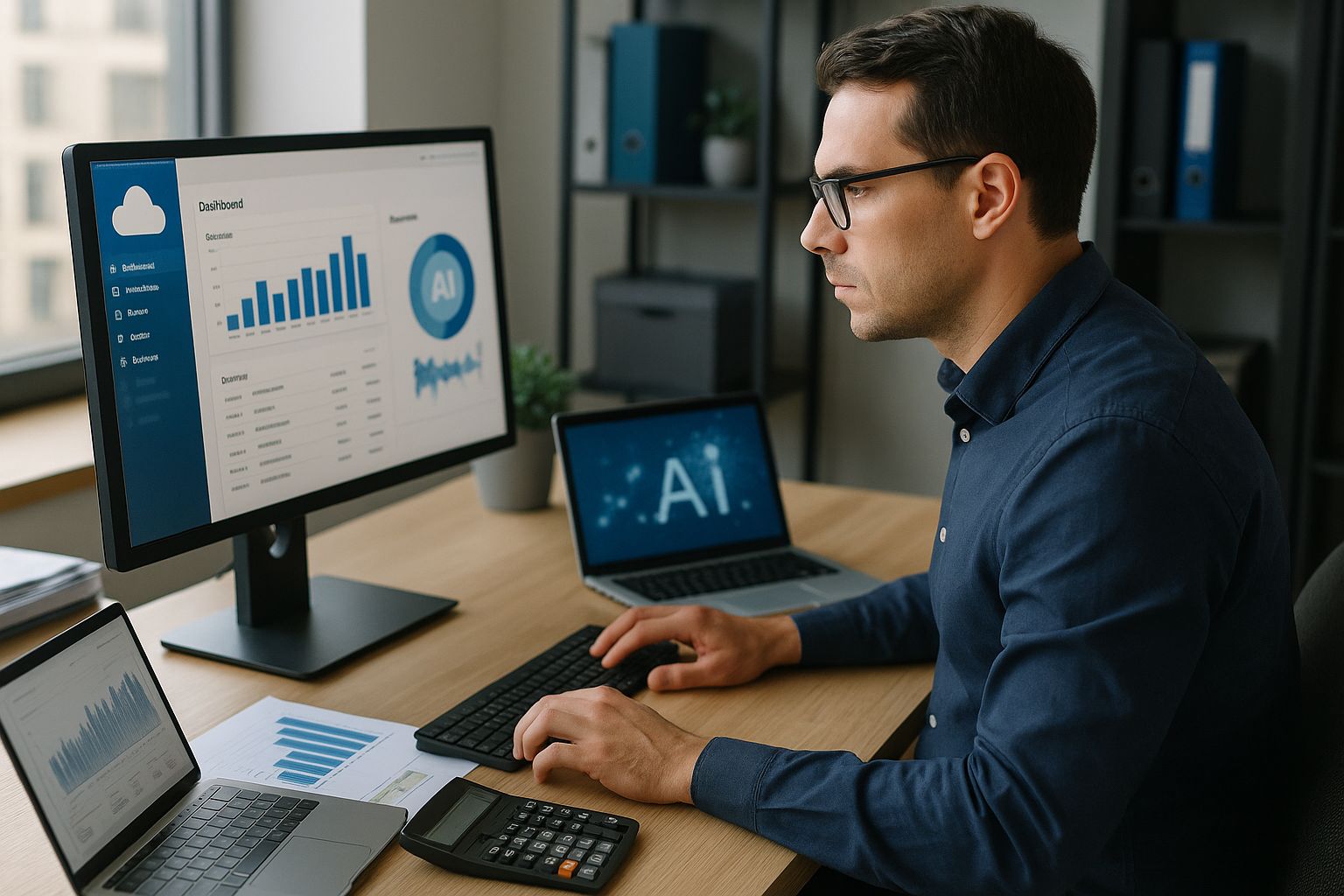
In recent years, the accounting industry has witnessed a transformative shift driven by the integration of advanced technologies. As firms strive to enhance efficiency and remain competitive, technology has become a fundamental component in redefining how accounting practices are managed.
One of the most significant trends is the adoption of cloud-based accounting solutions. These platforms allow firms to access financial data in real time, streamline complicated processes, and facilitate seamless collaboration among team members and clients. The cloud not only offers scalability and flexibility but also enhances data security and reduces overhead costs, a crucial advantage for firms of all sizes seeking to optimize operations amidst an unpredictable economic climate.
Another prominent development is the use of artificial intelligence (AI) and machine learning in accounting processes. By automating routine tasks such as data entry, reconciliation, and reporting, these technologies free up valuable time for accountants to focus on higher-value activities. AI-driven analytics provide deep insights into financial performance, helping firms make informed decisions with unprecedented accuracy and speed.
However, the increase in digitization also brings heightened cybersecurity risks. Accounting firms are responsible for vast amounts of sensitive financial information, making them prime targets for cyberattacks. It is imperative that these firms invest in robust cybersecurity measures and maintain comprehensive employee training programs to safeguard client data.
Furthermore, technology is reshaping the client-accountant relationship. With digital communication tools like video conferencing and client portals, firms can offer personalized and efficient service delivery. This digital connectivity allows for greater transparency and responsiveness, enhancing client trust and satisfaction.
As technology continues to evolve, accounting firms must remain agile and adaptable to leverage these advancements fully. By embracing technological innovation, firms will not only enhance their operational efficiency but also position themselves as leaders within the industry, ready to meet the challenges of tomorrow with confidence.
