

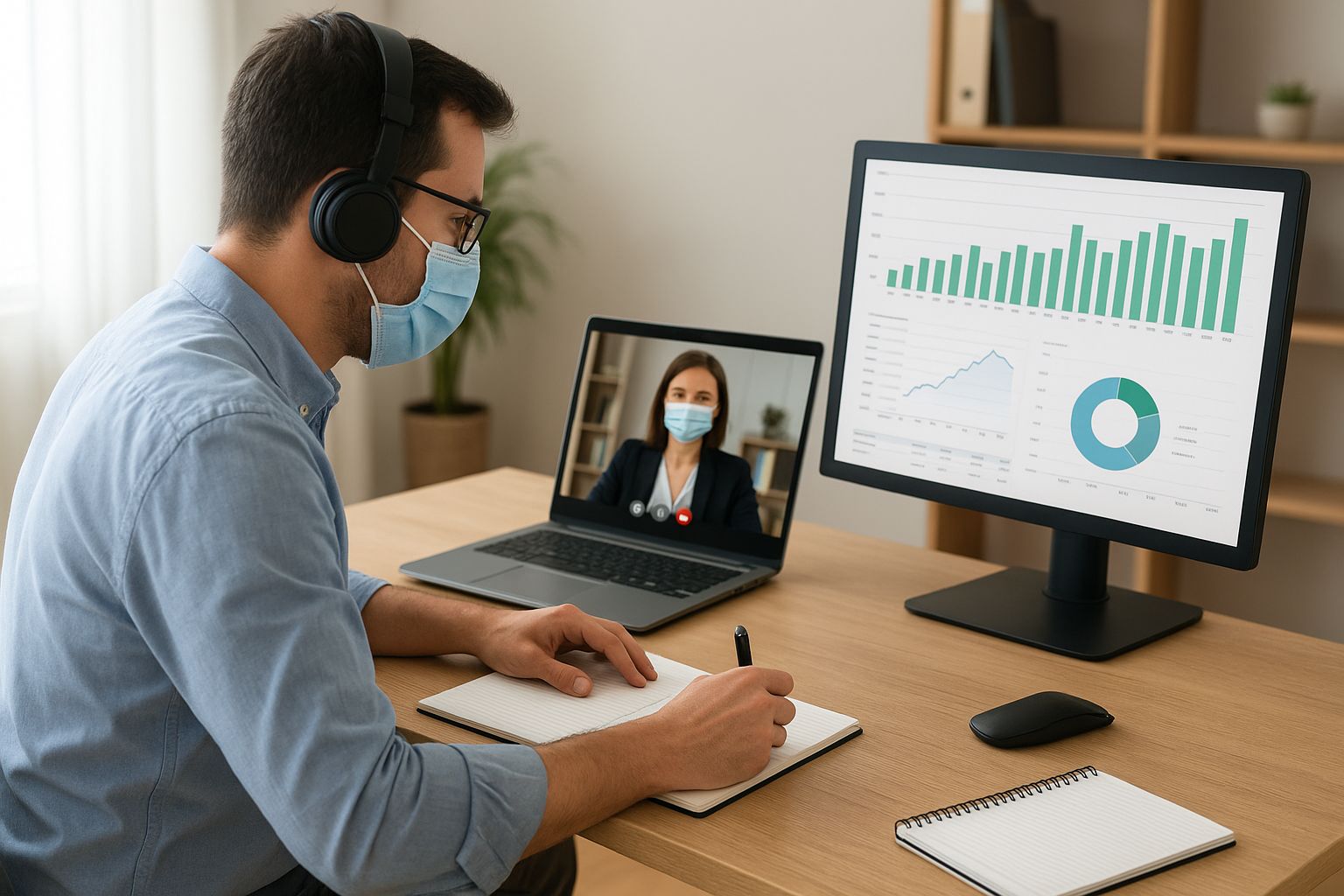
The COVID-19 pandemic has undeniably reshaped the landscape of accounting, prompting firms to swiftly adapt to a new normal: remote audits. The ability to conduct audits virtually has become an essential component in the running of modern firms, but with this shift comes a unique set of challenges and considerations.
One of the most significant hurdles firms face in conducting remote audits is data security. Ensuring client data is protected during remote access is paramount. Utilizing secure communication channels and encryption is now a baseline requirement to safeguard sensitive information from potential cybersecurity threats.
Firms are increasingly leveraging cloud-based solutions to facilitate remote audits. Solutions such as cloud accounting software help bridge the gap by providing teams with real-time access to financial data from anywhere in the world. This not only streamlines the audit process but also enhances flexibility and efficiency.
Engagement with clients during remote audits also differs significantly from traditional methods. A focused approach towards communication and transparency helps to build and maintain trust with clients. Regular updates and clear timelines are crucial to assure clients of the continued value and reliability of the audit, even when conducted remotely.
Training staff to adeptly handle remote software tools and procedures forms the backbone of any successful remote audit strategy. Continuous professional development programs aimed at enhancing technical proficiencies in these advanced tools empower accounting professionals to deliver high-quality audit services without the constraints of physical meetings.
Despite the challenges, some firms have thrived in these conditions, illustrating the potential for remote audits to enhance efficiency and reduce operational costs. Additionally, remote setups open avenues for firms to expand their services globally without the necessity for a physical presence in new markets.
A firm’s ability to stay ahead in remote auditing relies not only on technology adoption but also on cultivating a culture that embraces change. Encouraging an ethos that values innovation and proactive adaptation can position firms favorably as the financial sector continues to evolve.
In conclusion, while remote audits present complexities, the overarching benefits of efficiency, expanded reach, and cost reduction make them an invaluable component of running a successful modern accounting firm. By addressing security concerns, ensuring transparent communication with clients, and investing in technological training, firms can navigate the virtual audit world with confidence and competence.
