

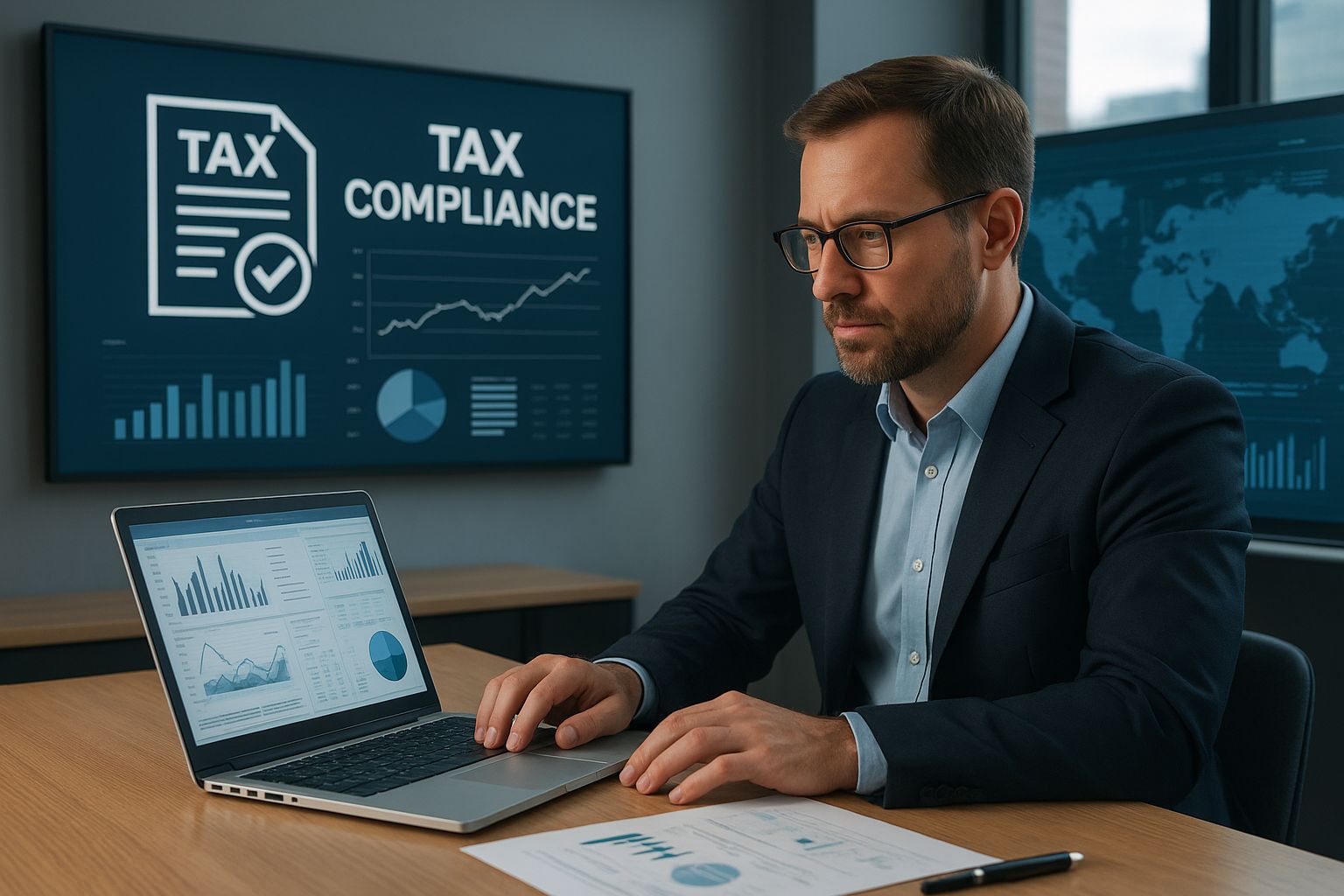
As the business landscape continues to evolve, tax compliance remains a pivotal concern for corporations. The past few years have witnessed significant shifts in regulatory landscapes, warranting a close examination of trends that are shaping the future of tax compliance.
One of the prominent trends is the increased digitization of tax processes. With the rise of digital tools and platforms, companies are leveraging technology to automate tax compliance, improve accuracy, and reduce human error. The deployment of AI-driven solutions has empowered businesses to analyze vast amounts of financial data swiftly, ensuring adherence to complex regulatory requirements across different jurisdictions.
Moreover, regulatory bodies across the globe are embracing digital methodologies to streamline tax monitoring and enforcement. Tax authorities are increasingly relying on data analytics to identify compliance risks proactively. This transformation necessitates businesses to adopt sophisticated tax technology that not only ensures compliance but also provides predictive insights into potential audit triggers.
Alongside technological advancements, businesses are facing heightened scrutiny from tax authorities, which are stepping up enforcement efforts. The Internal Revenue Service (IRS) in the United States, for instance, is undergoing modernization of its auditing processes with an increased emphasis on high-income earners and international corporations. This shift reinforces the importance of having robust corporate governance structures and maintaining transparent financial records.
Furthermore, cross-border tax compliance has become more challenging with the inception of regulations like the Base Erosion and Profit Shifting (BEPS) initiative spearheaded by the OECD. Multinational corporations are required to navigate new compliance mandates that demand extensive reporting and disclosure of tax structures, necessitating seamless coordination among global tax teams.
In light of these developments, tax professionals are urged to stay informed and agile. Regular training and upskilling are crucial to keeping pace with ever-changing tax laws and regulations. Firms need to foster a culture of continuous learning and strategic foresight to ensure compliance and optimized tax strategies.
Amid these challenges, companies that view tax compliance as a strategic advantage rather than a mere compliance burden are likely to thrive. By integrating advanced tax technologies and ensuring constant adaptation to regulatory updates, businesses can not only mitigate risks but also enhance their overall financial health.
