

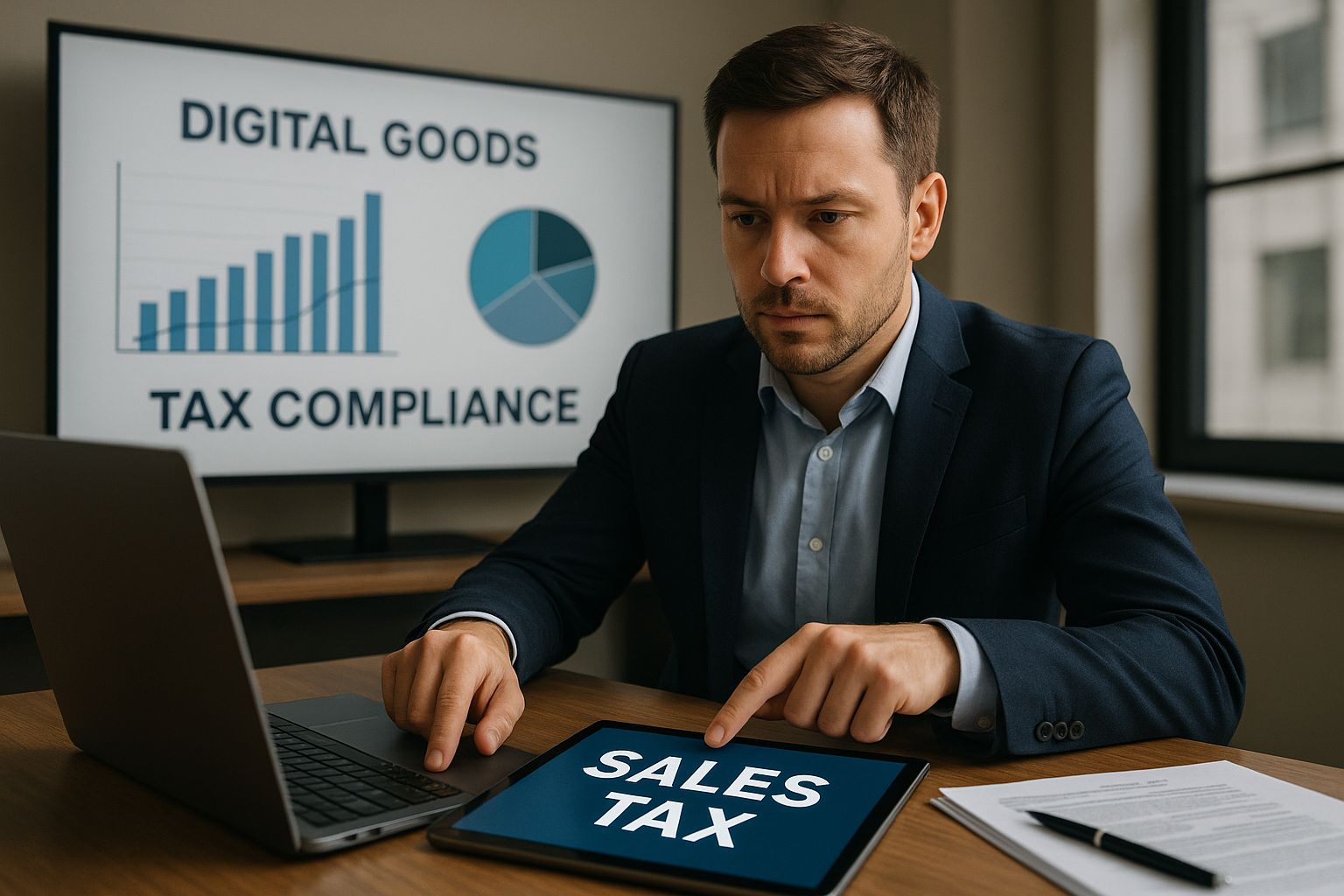
In recent days, the world of sales tax compliance has witnessed significant developments that are poised to reshape how businesses navigate the regulatory landscape. With the rise of e-commerce and digital goods, sales tax compliance is becoming increasingly complex, demanding that businesses stay agile and informed to avoid costly pitfalls.
One of the most notable trends is the heightened scrutiny on digital goods and services by tax authorities globally. Many jurisdictions are now expanding their tax codes to include digital products, which until recently have largely escaped traditional sales tax. This expansion is not just a regulatory formality; it serves as a critical revenue stream for governments attempting to bridge budgetary gaps post-pandemic.
A prominent case shedding light on this was the recent enforcement actions against online service platforms that previously did not remit sales tax on digital services. Companies found non-compliant faced hefty penalties, but even those already in compliance must now anticipate audits with stricter assessments.
Additionally, states within the U.S. are increasingly adopting economic nexus laws, following in the footsteps of the landmark Supreme Court ruling in South Dakota v. Wayfair, Inc. This means that distant sellers, even without a physical presence, must comply with state sales tax requirements once they exceed a certain sales threshold in the state. The implications are profound, as they necessitate sophisticated tracking and reporting systems to manage multi-state compliance obligations.
The recent rise in the adoption of tax automation solutions is a further trend gaining momentum. Businesses are realizing the necessity of integrating sophisticated sales tax software capable of handling dynamic tax rates and rules across multiple jurisdictions. Companies such as Avalara and Vertex are leading the charge, offering robust platforms that help businesses automate tax calculations, collections, and remittances, reducing the risk of errors and penalties.
These automation systems not only ensure accuracy but also provide real-time updates as jurisdictions modify tax codes. For instance, businesses have benefitted from real-time updates tailored to reflect tax holidays or changes in taxability rules, which are increasingly frequent. Deploying these solutions has become an indispensable strategy for enterprises with expansive digital footprints.
Moreover, addressing compliance challenges in varying jurisdictions demands that companies invest in comprehensive training and compliance strategy development, often steering them towards hiring specialized tax experts or consultants. A notable trend is the collaboration between accounting firms and technology providers to offer holistic solutions that cater to both compliance and operational efficiency.
In conclusion, as sales tax regulations evolve, particularly concerning digital and remote sales, businesses must stay vigilant. Embracing automation and seeking expert guidance will be pivotal in maintaining compliance and harnessing operational advantages. Firms proactive in these areas are positioned to not only mitigate risks but exploit new opportunities within the tax landscape.
