

The accounting industry is undergoing a dynamic transformation, driven by technological advancements that are redefining the traditional practices once synonymous with the profession. In recent times, a major trend is the accelerated adoption of sophisticated accounting technology aimed at enhancing efficiency, accuracy, and strategic decision-making. The push towards digital transformation is not merely a byproduct of the pandemic but a strategic evolution that aligns with modern business needs. Cloud accounting stands at the forefront, enabling firms to manage financial records seamlessly from anywhere in the world. This shift to cloud-based platforms offers significant advantages including real-time access to financial data, which supports prompt decision-making. Automation, another pivotal advancement, is reshaping how accounting firms operate. By automating repetitive tasks such as bookkeeping, invoicing, and payroll, accountants can redirect their focus towards more analytical and strategic roles. Automation reduces human error, enhances data accuracy, and enables timely financial reporting. A notable example is the implementation of Robotic Process Automation (RPA) by various firms, streamlining processes and minimizing manual intervention. Artificial Intelligence (AI) and Machine Learning (ML) are pivotal in providing predictive insights that guide business strategy. Machine learning algorithms can analyze vast datasets to predict financial outcomes, assess risks, and even offer personalized insights to clients. This data-driven approach fundamentally changes the accountant’s role from a processor of transactions to a strategic advisor. The integration of FinTech applications is another highlight of the current trend, offering clients multi-faceted solutions that combine technology and financial services. These applications not only increase accuracy and compliance but also enhance the value proposition to clients. Accounting firms leveraging FinTech are able to provide customized solutions that cater to specific client needs, fostering stronger relationships and driving growth. Moreover, cybersecurity has become a paramount focus for accounting professionals. As firms digitize their operations, the risk of cyber threats looms large. Implementing robust cybersecurity measures is vital, ensuring both client trust and regulatory compliance. The integration of advanced encryption technologies and secure access protocols is essential in protecting sensitive financial data. Lastly, sustainable accounting, supported by technology, is gaining prominence. Firms are adopting technologies that enable them to track and report on sustainability metrics, aligning their operations with global sustainability standards. This not only fulfills regulatory requirements but also enhances corporate social responsibility efforts, which are increasingly important to stakeholders. As the accounting industry embraces these technological advancements, firms must strive to stay ahead by continuously upskilling their workforce and investing in the latest tools. The future of accounting is digital, and firms that adapt swiftly will lead the charge in reinventing the professional landscape.
Trending
- Tech Innovations Transforming Accounting Firms: A New Era of Efficiency
- Navigating Firm Success Amidst the Rise of Virtual Accounting Services
- Revolutionizing Firm Operations: How Technology is Transforming the Accounting Landscape
- Navigating the Shifting Terrain: Key Moves in Accounting Services
- The Rise of Green Accounting: Revolutionizing Financial Reporting
- Embracing Digital Transformation: The New Frontier for Accounting Firms
- Emerging Trends in Practice Management to Boost Efficiency
- Navigating Remote Audits: Ensuring Firm Success in a Virtual World
Tech Innovations Transforming Accounting Firms: A New Era of Efficiency
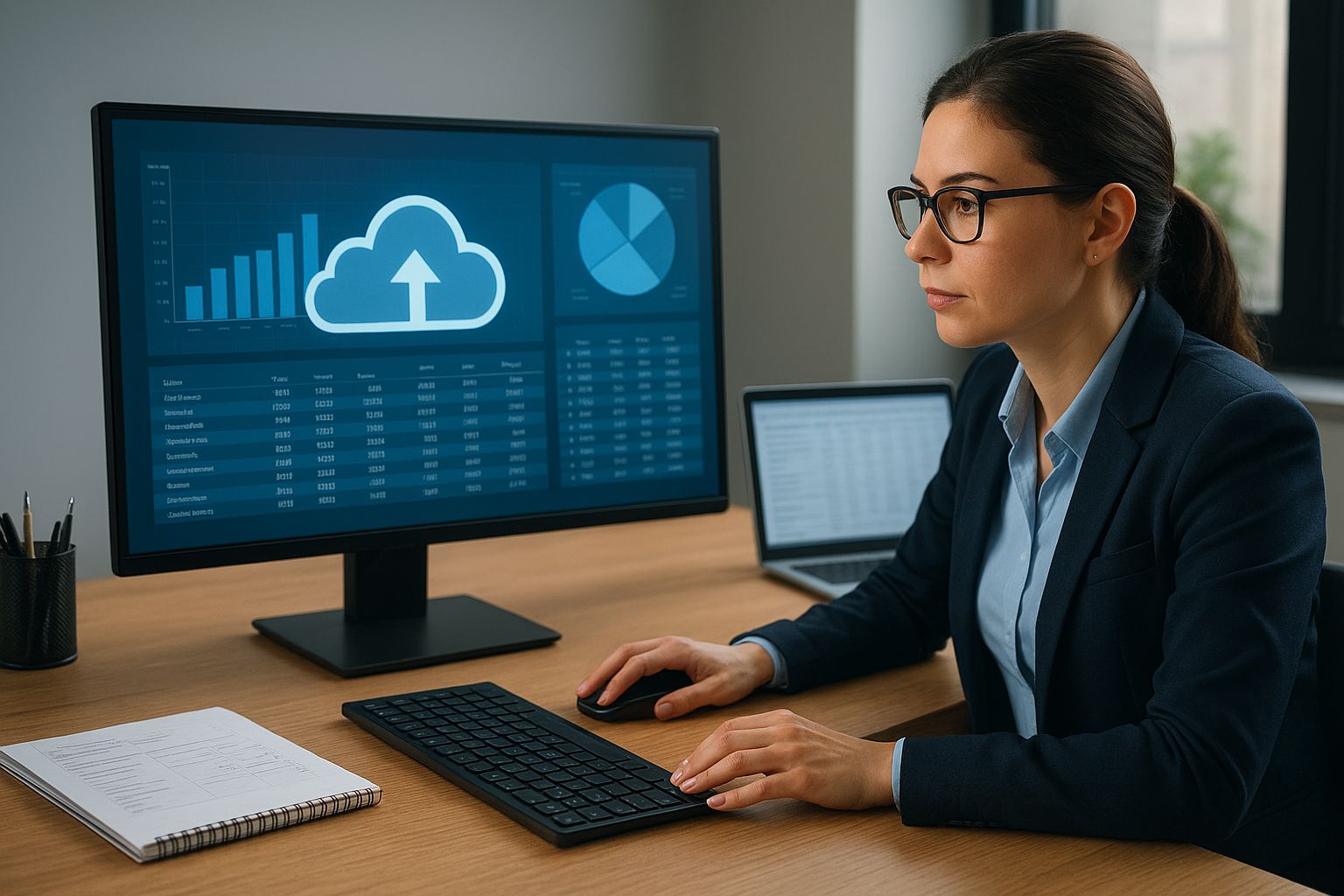
Tech Innovations Transforming Accounting Firms: A New Era of Efficiency

