

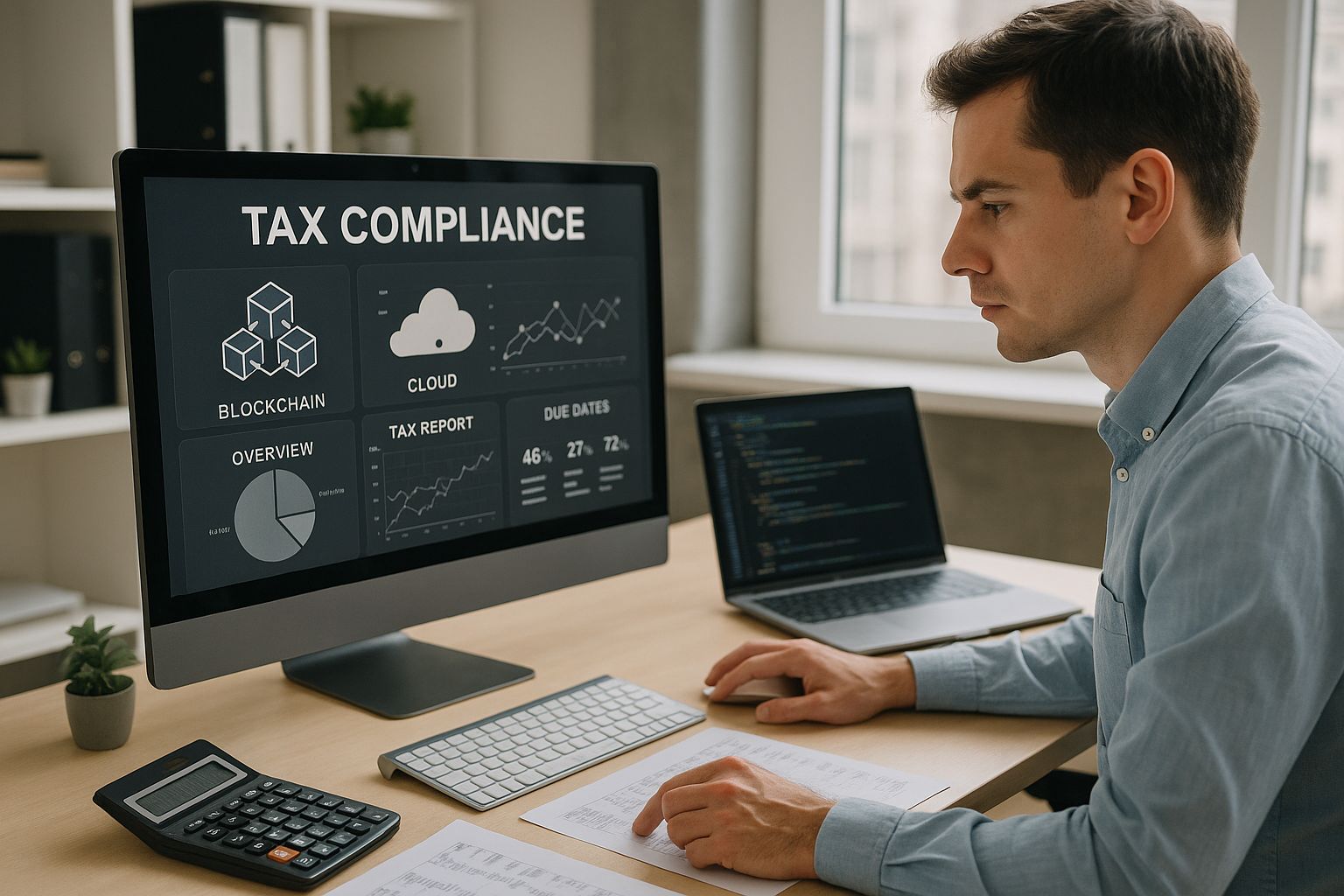
In today’s rapidly evolving digital landscape, businesses of all sizes face the mounting challenge of ensuring tax compliance amidst changing regulations and emerging technologies.
The digital transformation has introduced a myriad of advancements, from cloud computing to blockchain technology, that have fundamentally altered how organizations approach their accounting practices. These innovations have brought both opportunities for efficiency gains and increased complexities, particularly in the realm of tax compliance.
One key trend has been the growing reliance on automation and artificial intelligence to handle routine tax-related tasks. This shift not only reduces manual errors but also allows accounting professionals to focus on strategic decision-making. However, it also requires firms to stay updated with the latest software developments and ensure that their systems are secure and compliant with current regulations.
Recent regulatory developments, such as the implementation of new sales tax rules in various states, highlight the importance of staying informed. These changes can have significant implications for businesses that operate in multiple jurisdictions. A notable example is the Supreme Court’s decision in South Dakota v. Wayfair, which has fundamentally changed the landscape for e-commerce businesses, requiring them to collect and remit sales tax even if they do not have a physical presence in the state.
In my work at Deloitte, we’ve seen businesses that fail to adapt to these changes face hefty fines and penalties. One client, a mid-sized retail company, had to undergo a comprehensive audit and implementation of a new tax compliance system, which could have been circumvented with proactive measures and staying updated with the regulatory environment.
To navigate these complexities, many firms are investing in robust tax compliance software that offers real-time updates on regulatory changes and provides built-in features to ensure adherence to tax laws. This not only saves time but also mitigates the risk of incurring compliance penalties.
As we continue to push forward in the digital era, it is crucial for accounting professionals to embrace innovation while remaining vigilant about compliance requirements. Continuous education and leveraging technology effectively will be key to navigating this ever-changing landscape.
