


The past few days have seen significant developments in the realm of tax reforms that could substantially impact small businesses across the United States. Keeping pace with these changes is crucial for ensuring compliance and optimizing tax strategies. The IRS has released updated guidelines, focusing on tax cuts and incentive programs aimed at boosting economic growth through small enterprises.
One notable amendment involves the introduction of a new tax credit aimed specifically at businesses willing to invest in green technologies. This initiative, part of a broader policy to promote environmental responsibility, allows businesses to claim credits against installation costs for solar panels and energy-efficient appliances. Given the rising costs of utilities, this move presents an enticing opportunity for small businesses to reduce operational expenses while contributing to sustainability.
Additionally, the IRS has streamlined the process for claiming deductions on research and development (R&D) expenditures. This reform could be particularly beneficial for tech startups looking to innovate without being burdened by financial constraints. By easing the documentation and eligibility requirements, the reform encourages more businesses to invest in R&D, potentially enhancing their competitiveness in the market.
A major shift that’s grabbing headlines is the tightening of compliance requirements around digital transactions. In an effort to curb tax evasion, the IRS now demands more comprehensive reporting for cryptocurrency transactions, a trend increasingly picked up by businesses venturing into digital assets. Companies dealing with cryptocurrencies as a form of payment need to ensure robust accounting practices to avoid penalties.
Drawing from my time at Deloitte, where tax planning and compliance intertwine with real-world business strategies, businesses must prioritize staying current with these developments. Failure to align quickly could result in missed opportunities for savings or, worse, exposure to audits and fines.
In conclusion, these new tax reforms are a double-edged sword, presenting both challenges and opportunities. Small businesses that proactively address these changes stand to gain not only through financial incentives but also by reinforcing their market positions in a changing economic landscape.
Estimated reading time: 1 minute, 50 seconds
Navigating New Tax Reforms for Small Businesses in 2023 Featured
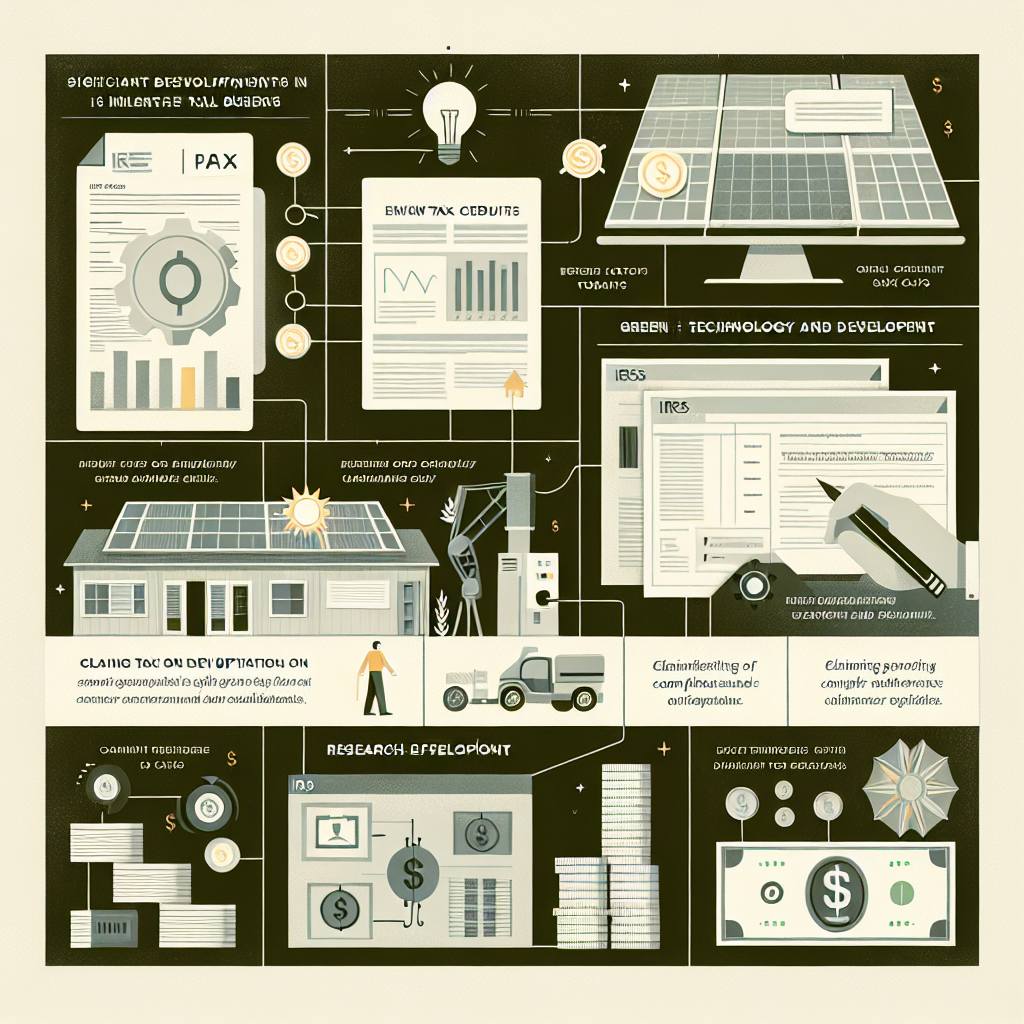 Explore the latest tax reforms and their impact on small businesses. Learn about tax credits for green investments, streamlined R&D deductions, and tightened cryptocurrency compliance. Navigate these changes effectively with insights on optimizing tax strategies.
Latest from The Progressive Accountant
- Key Accounting Personnel Shifts: Adapting to a Changing Landscape
- Navigating the Future of Accounting Firm Management
- Navigating the Complexity of Sales Tax Compliance in Today's Market
- Current Tax Code Revisions and Their Implications on U.S. Businesses
- Navigating Financial Complexities: Insights on Running a Modern Accounting Firm
Most Read
-

-
Mar 05 2026
-
Written by The Progressive Accountant
Learn about the latest trends in accounting technology, including automation,…
-
-
-
Mar 05 2026
-
Written by The Progressive Accountant
Explore how accounting firms are leveraging hybrid work models to…
-
-
-
Apr 26 2026
-
Written by The Progressive Accountant
Explore recent state income tax reforms in the US and…
-
-
-
Apr 26 2026
-
Written by The Progressive Accountant
Explore how cloud technology is reshaping the accounting industry by…
-